

CCTV Installation Melbourne
CCTV performance depends heavily on decisions made during consultation.
Camera position, field of view, network architecture, cable quality, storage, mounting conditions and commissioning all affect the footage and reliability the system delivers after handover.
Bpoint provides CCTV installation in Melbourne across commercial, industrial and residential properties. The installation process focuses on creating reliable infrastructure, usable coverage and a system that authorised users can manage efficiently.
Get a quote
Speak with a security specialist about your existing infrastructure, coverage requirements and recording environment.
Bpoint assesses the property before confirming the scope, so cable routes, mounting and storage reflect the site rather than a standard package.
Replies same business day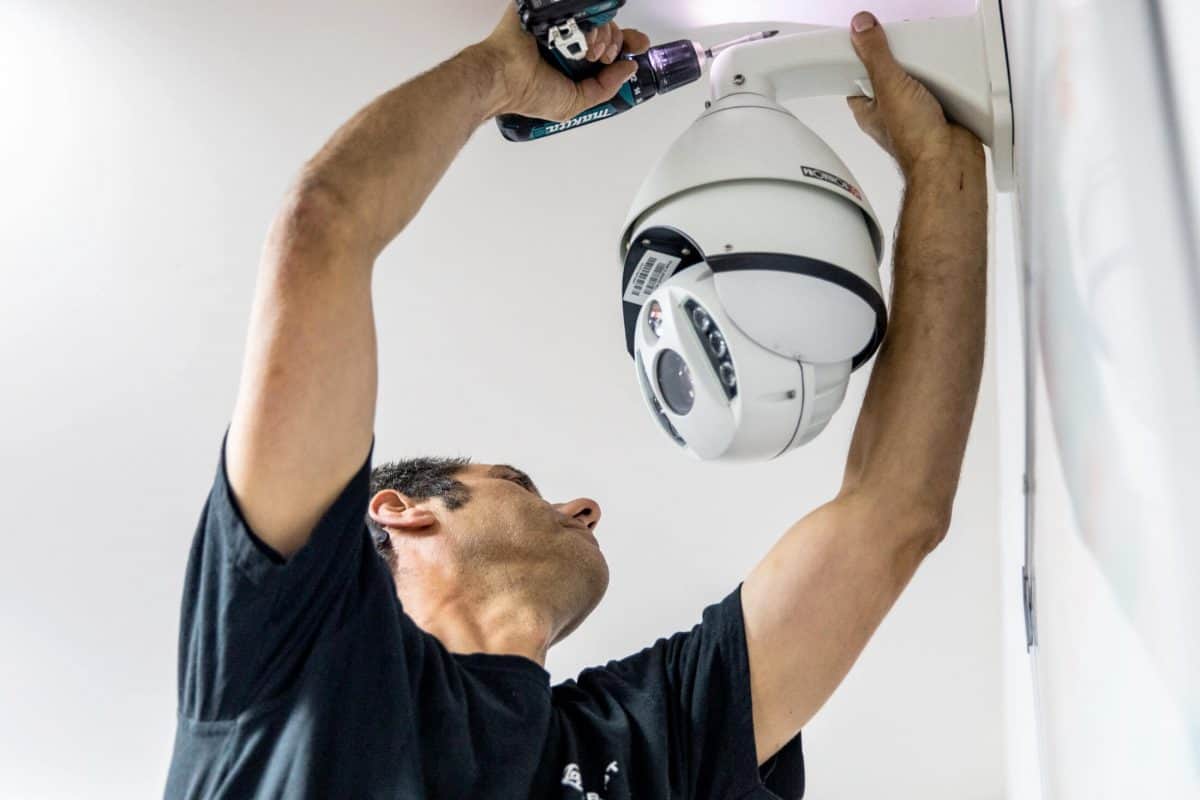
Installation quality determines long-term system performance
High-specification cameras cannot compensate for poor infrastructure or incorrect placement.
A professional installation should preserve the intended image quality, network stability and recording performance across the complete system.
Before installation begins, Bpoint reviews
- Required fields of view
- Lighting and scene conditions
- Mounting heights and access
- Cable pathways
- Network infrastructure
- Recorder or VMS requirements
- Storage targets
- Remote access requirements
- Integration with other security platforms
- Future expansion requirements
Businesses that need deeper advice on camera specification and coverage can review our commercial CCTV systems Melbourne page.
Commercial CCTV installation requires stronger infrastructure planning
Commercial properties often introduce installation demands that do not exist on smaller sites.
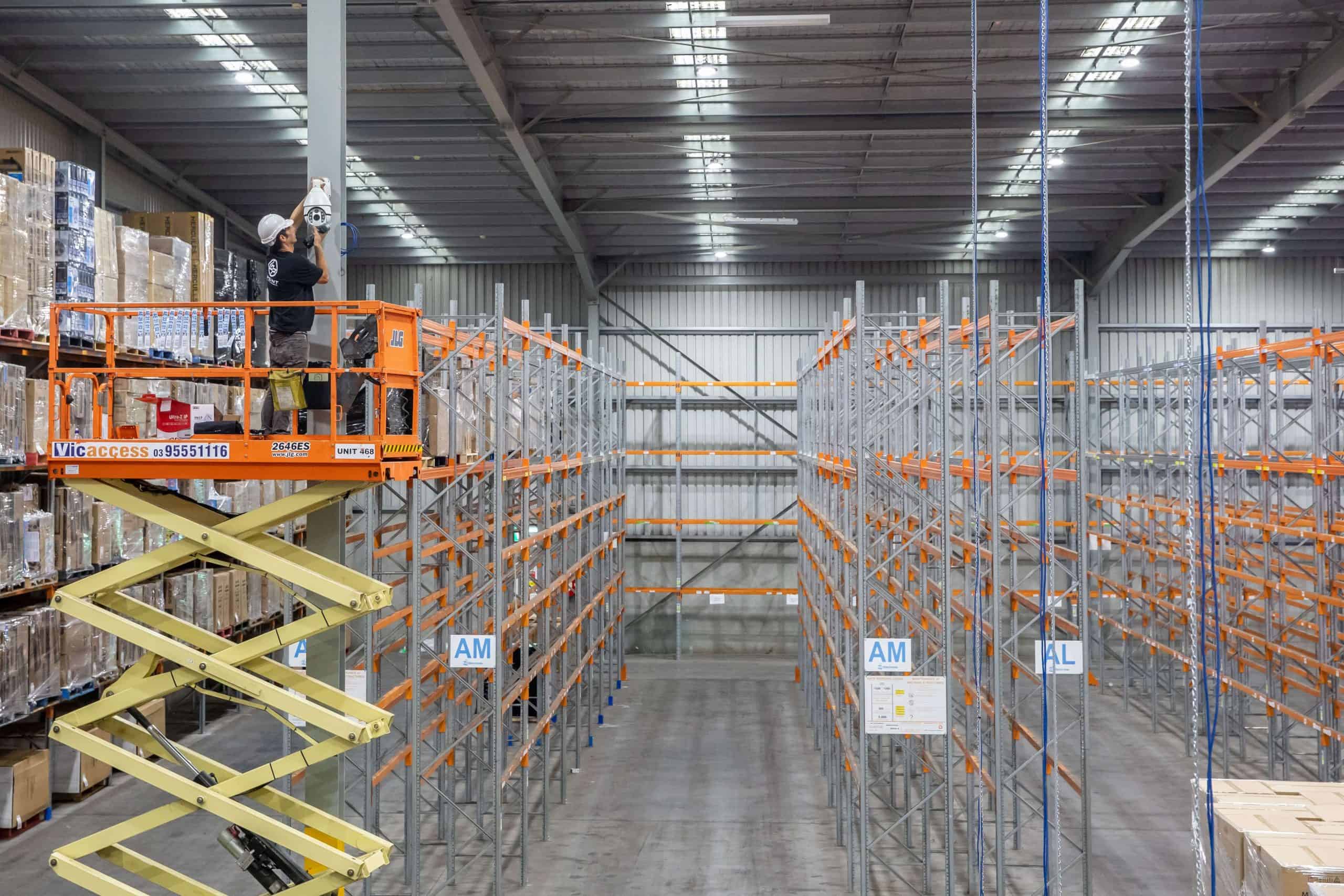
Long cable runs, ceiling height, plant areas, external yards, several network cabinets and multi-building layouts can all affect the implementation strategy.
Industrial installations may also require additional attention to mounting conditions, environmental exposure and access equipment.
A well-planned warehouse security systems project can coordinate camera infrastructure with access control, alarms and monitoring rather than installing each system independently.
Multi-site businesses may also need standardisation across camera naming, retention, user permissions and remote management so authorised teams can work across several locations consistently.
Residential installation requires discretion as well as performance
Residential CCTV places greater emphasis on visual impact, cable routes and straightforward management.
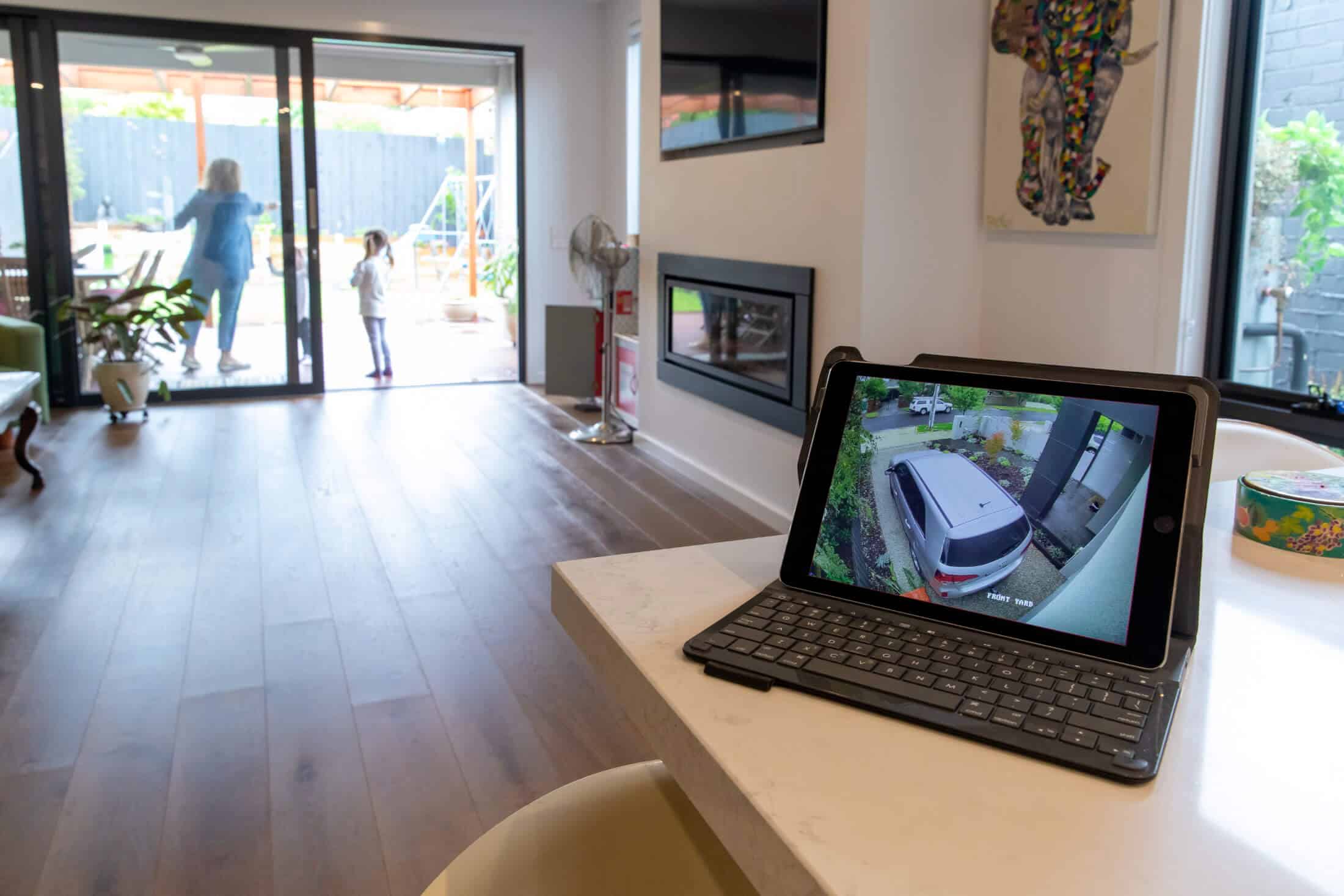
Bpoint installs home camera systems Melbourne homeowners can manage through compatible remote viewing platforms.
The installation can account for entrances, driveways, side access, garages and external areas while limiting unnecessary equipment around the property.
Infrastructure and cabling should support the system beyond day one
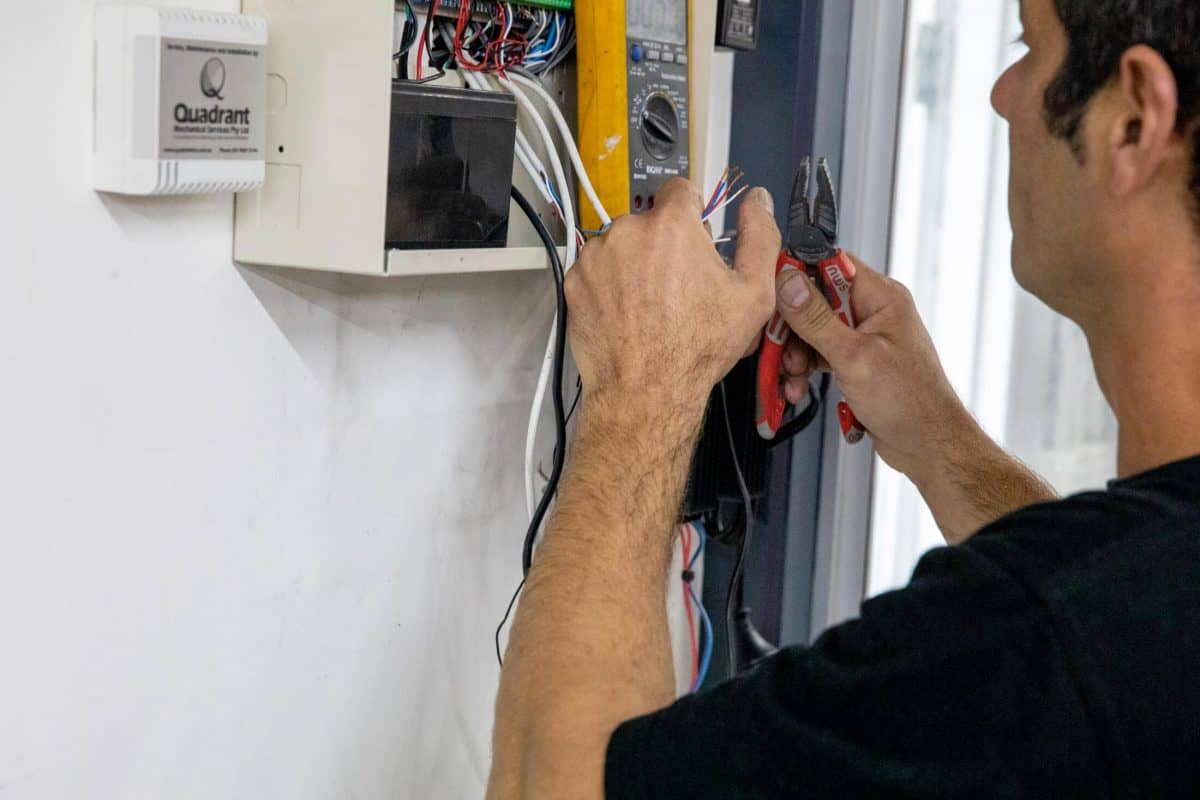
Most commercial CCTV installations use wired network infrastructure and PoE because it provides dependable connectivity and centralised device power.
Cable routes need to account for distance, access, physical protection, maintenance and future expansion.
Network design also matters. Larger systems may require appropriate switching, bandwidth planning, VLAN configuration or coordination with the client’s IT environment.
Poor infrastructure can create intermittent faults that become difficult to diagnose after the installation is complete.
Bpoint considers these requirements during system design and implementation rather than treating networking as a final setup task.
Recording platforms should reflect how footage will be managed
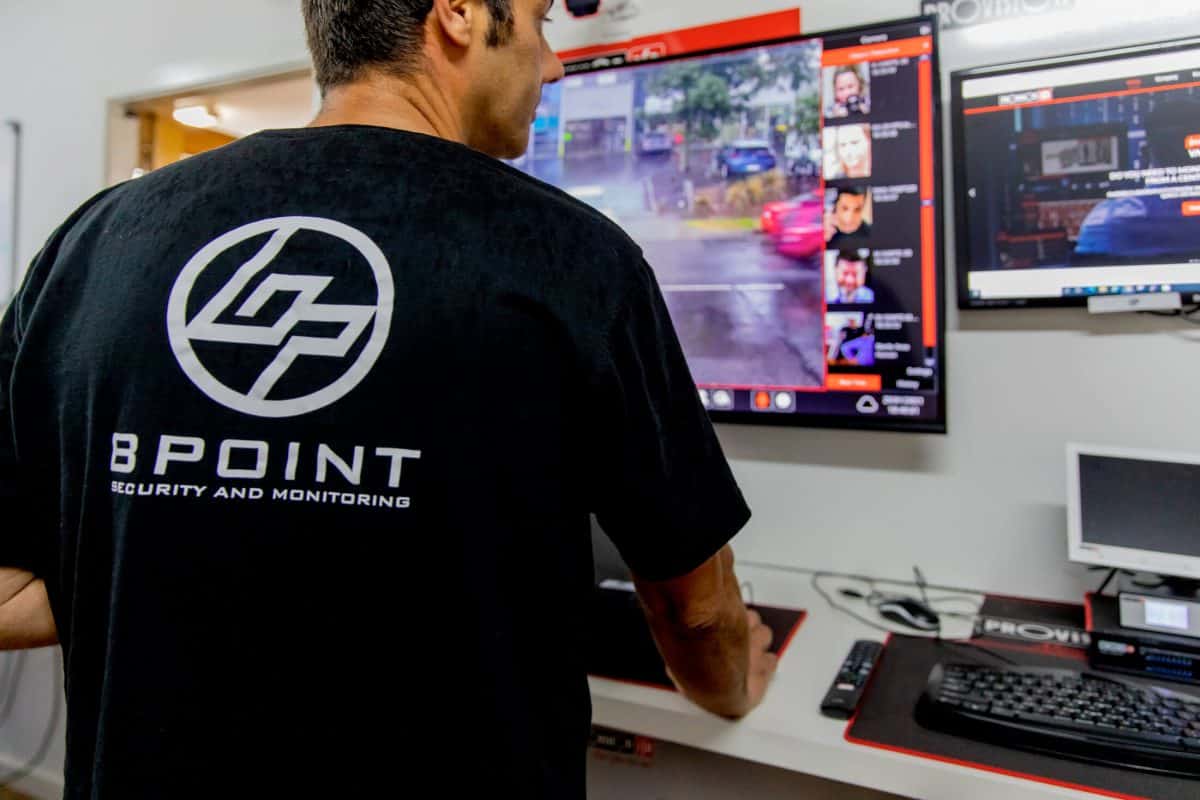
The recorder or VMS determines how authorised users search, export and manage footage.
Bpoint installs and configures the recorder or VMS defined in the system design, including Hanwha, Hikvision and Provision recorders and NX Witness or Wisenet video management software, integrated with Inner Range access control where specified.
Businesses comparing camera platforms can review our guide to the best CCTV brands for business.

Commissioning should confirm performance, not simply connectivity
A camera appearing online does not confirm that the installation meets its intended purpose.
Commissioning should verify
- Camera field of view
- Focus and image quality
- Day and night performance
- Recording status
- Time synchronisation
- Remote viewing
- User permissions
- Relevant analytics
- Event recording
- System health
- Required integrations
Bpoint tests the installed system before handover and addresses configuration issues identified during commissioning.

Storage and retention need to reflect the evidence requirement
There is no single retention figure that suits all CCTV installations.
Storage requirements depend on the number of cameras, recording settings, image quality and the amount of footage the organisation expects to retain.
The better question is how far back authorised users may reasonably need to investigate an incident.
Bpoint uses that requirement to help size the recording environment.

What affects CCTV installation investment
Project cost depends on the system and implementation requirements rather than camera quantity alone.
Factors can include
- Camera specification
- Recorder or VMS architecture
- Storage
- Cable distance
- Network infrastructure
- Installation height
- Access equipment
- After-hours work
- Analytics
- Integration requirements
- Existing infrastructure that can remain in service
Two systems with the same camera count can require very different installation scopes.
Bpoint assesses the property before confirming the project quote.
Handover should leave authorised users capable of managing the system
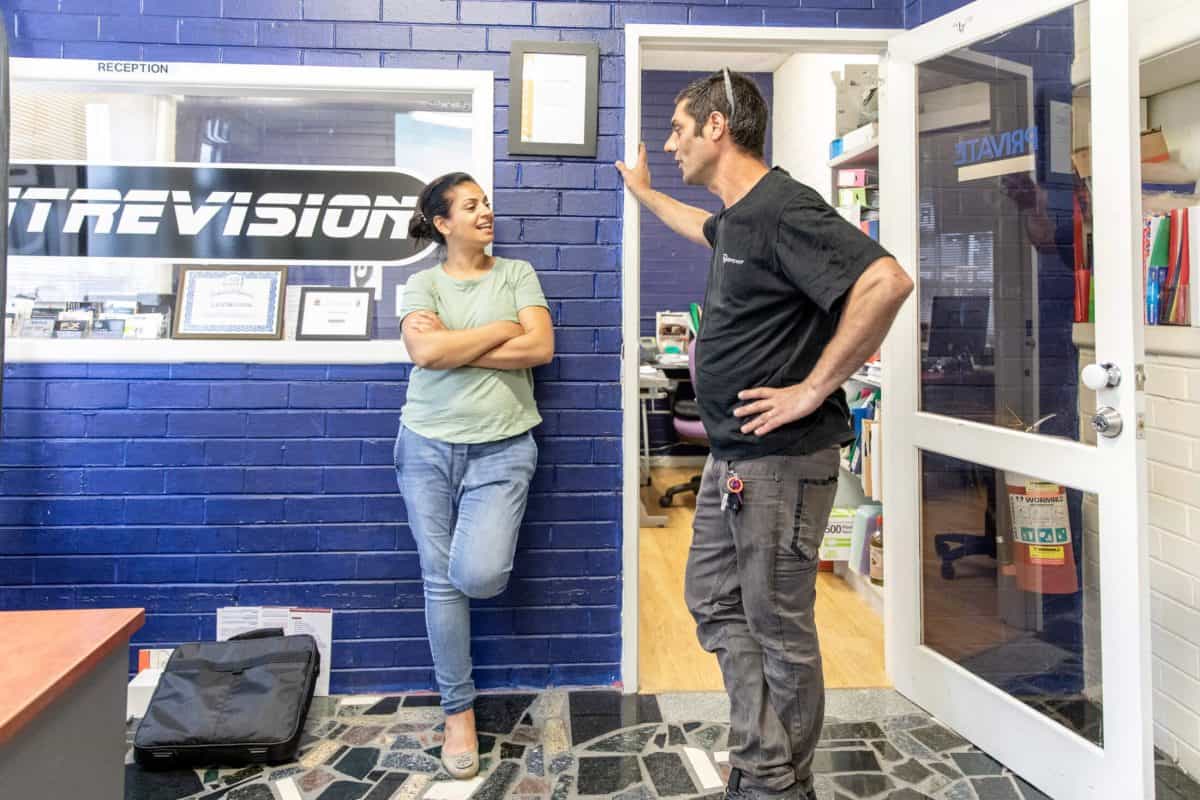
A professional installation needs a structured transition into day-to-day use.
Handover can include
- Live viewing
- Recorded footage search
- Export
- User permissions
- Remote access
- Relevant analytics
- Basic system health checks
- Escalation and support processes
A CCTV installation can also operate within broader security systems Melbourne properties use across access, intrusion detection and monitoring.
Security technology from established manufacturers
Bpoint works across a broader range of professional security manufacturers when the project requires different device, integration or infrastructure capabilities.
Businesses comparing video platforms can also review our guide to the best CCTV brands for business.












Monitoring, maintenance and upgrades
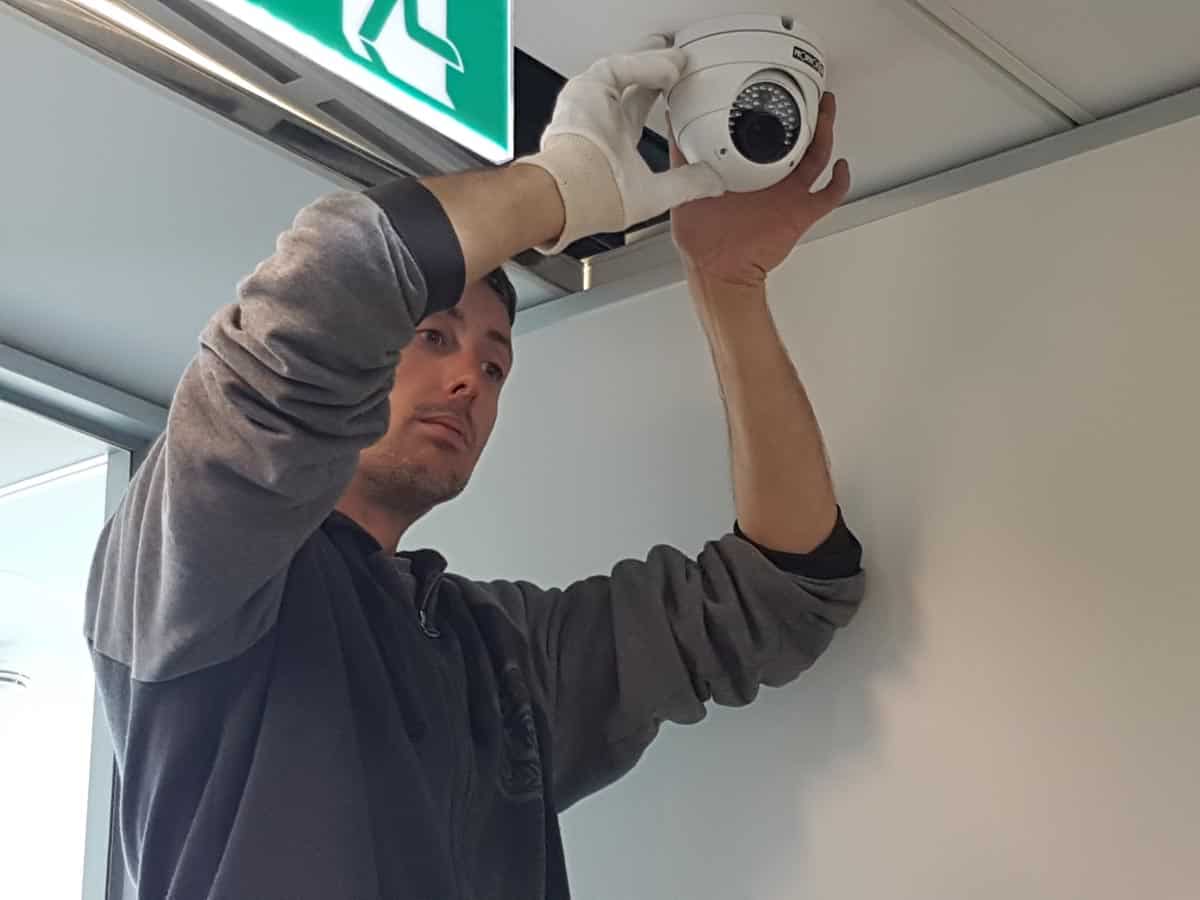
Camera systems need attention throughout their service life.
Lens contamination, storage faults, network changes, device failure and changes around the property can all reduce system performance.
Bpoint can inspect existing systems and identify opportunities to improve coverage, storage, network reliability or camera capability.
Businesses that need an external response process can connect compatible systems to 24-hour security monitoring.
CCTV can also operate alongside access control systems Melbourne organisations use to manage users and controlled doors.
Sites requiring a wider integrated environment can use commercial security systems that combine video, access, alarms, intercoms and monitoring.
Compatible commercial intercom systems can also connect visitor verification with camera coverage and controlled entry.
Rated 5.0 by Bpoint customers
Guides, insights and industry news
Stay informed about security technology, system management and the decisions that affect long-term performance.
 cctv
cctv
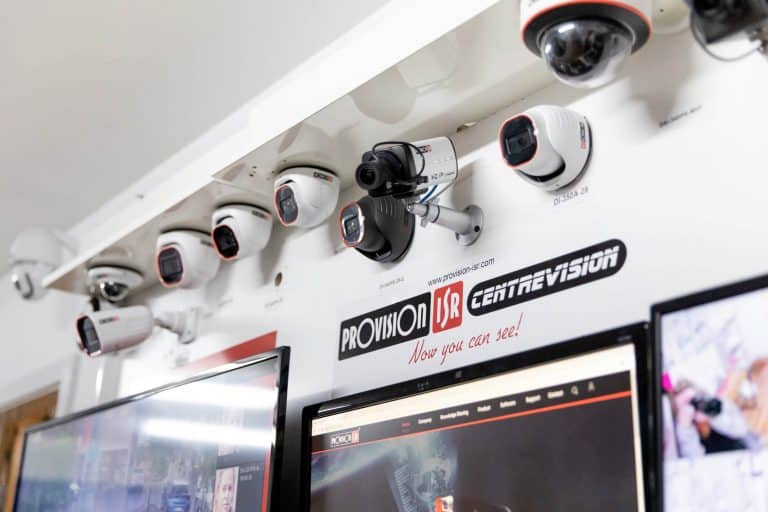
Best CCTV Camera Brands for Businesses in Australia
The best CCTV brands for Australian businesses in 2026 are Provision ISR (best budget pick), Hikvision (best value with AI features), Dahua (best for…
 cctv
cctv
How Provision ISR and CheckPoint Software Protect CCTV Systems from Cyber Threats
Modern CCTV systems face sophisticated cyber threats that extend beyond physical security concerns. As surveillance infrastructure becomes increasingly networked and IoT-enabled, vulnerabilities to digital…
 Commercial Security
Alarm Zoning: Maximising Security System Efficiency Through Strategic Configuration
Security system design requires careful assessment of risk distribution across commercial properties. Effective protection strategies recognise that different areas within a facility present varying…
FAQs
Can’t find what you’re looking for? Call us on 03 9020 9393, a specialist will answer.
Have a question we haven’t answered?
Call a Bpoint specialist directly, no hold queues, no chatbots.
Get a CCTV installation quote
Speak with Bpoint about your existing infrastructure, coverage requirements and recording environment.